Advanced Periodontal Care for Healthier Gums in Anchorage
At Silverman Dental, we provide Anchorage periodontal treatment focused on protecting your gums, teeth, and overall health. We are a husband-and-wife team of dentists, Drs. Mark and Andrea Silverman, and we believe gum health is the foundation of a healthy smile. Our care is thorough, personalized, and designed to stop problems early before they become serious.
Gum disease often develops quietly, without pain in the early stages. Many people do not realize there is a problem until damage has already started. Our goal is to identify gum issues early, treat them effectively, and help patients maintain healthy gums for life.
Understanding Gum Disease
Gum disease, also known as periodontal disease, is an infection of the gums and bone that support the teeth. It starts with plaque buildup along the gum line. If plaque is not removed, it hardens into tartar and causes inflammation.
Early gum disease may cause redness, swelling, or bleeding when brushing. Advanced stages can lead to gum recession, loose teeth, and even tooth loss. Gum disease has also been linked to other health conditions such as heart disease and diabetes.
Providing effective gum disease care in Anchorage means looking beyond the teeth and focusing on long-term oral health.
Signs You May Need Periodontal Care
Many patients are surprised to learn they have gum disease because symptoms can be mild at first. Common warning signs include:
- Bleeding gums
- Bad breath that does not go away
- Red or swollen gums
- Gum recession
- Loose or shifting teeth
- Sensitivity near the gum line
If any of these signs are present, professional evaluation is important. Early care can prevent more serious damage.

Periodontal Disease Treatment in Anchorage
Our periodontal disease treatment Anchorage patients receive is based on the stage and severity of the condition. Treatment always begins with a detailed evaluation of the gums, bone levels, and overall oral health.
For early gum disease, deep cleaning below the gum line may be recommended. This removes plaque and tartar that regular cleanings cannot reach. In more advanced cases, additional therapies may be needed to control infection and support healing.
We explain every step clearly so patients understand their condition and treatment options.
Gum Disease Treatment Focused on Long-Term Health
Effective gum disease treatment in Anchorage does more than manage symptoms. It addresses the cause of the disease and helps prevent future problems.
Our approach focuses on:
- Removing harmful bacteria
- Reducing gum inflammation
- Supporting gum and bone health
- Teaching proper home care techniques
We work closely with patients to create a plan that fits their needs and lifestyle. Consistent care helps stabilize gum health and protect natural teeth.
Periodontal Maintenance for Ongoing Care
Once gum disease is under control, ongoing care is essential. Periodontal maintenance Anchorage AK services are for maintaining your gum health and to stop reinfection.
These visits are different from regular cleanings. They focus on deeper areas around the teeth where bacteria can return.
Periodontal maintenance appointments are usually scheduled more frequently to maintain stability.
This ongoing care plays a key role in preventing gum disease from progressing again.
Why Gum Health Matters
Healthy gums make strong teeth and a brighter smile. When gum disease is left untreated, it can lead to tooth loss and affect overall health.
Research shows a strong link between gum disease and conditions such as heart disease, stroke, and diabetes. Caring for your gums is an important part of caring for your overall health. Our periodontal services are designed to protect both oral and overall health.
Our Philosophy of Periodontal Care
As a husband-and-wife dental team, we take a thoughtful and conservative approach to treatment. We believe in early intervention, clear communication, and long-term solutions.
Patients appreciate that we take time to listen, answer questions, and explain findings in simple terms. We focus on comfort, education, and trust at every visit.
Our goal is not just to treat gum disease, but to help patients maintain healthy gums for years to come.
Who Benefits from Periodontal Treatment
Periodontal care benefits patients at many stages of gum health. It is ideal for people who:
- Have bleeding or inflamed gums
- Have been told they have gum disease
- Have diabetes or a family history of gum problems
- Want to protect their teeth long term
- Have had previous gum treatment
Even patients who have not noticed symptoms can benefit from an evaluation if risk factors are present.
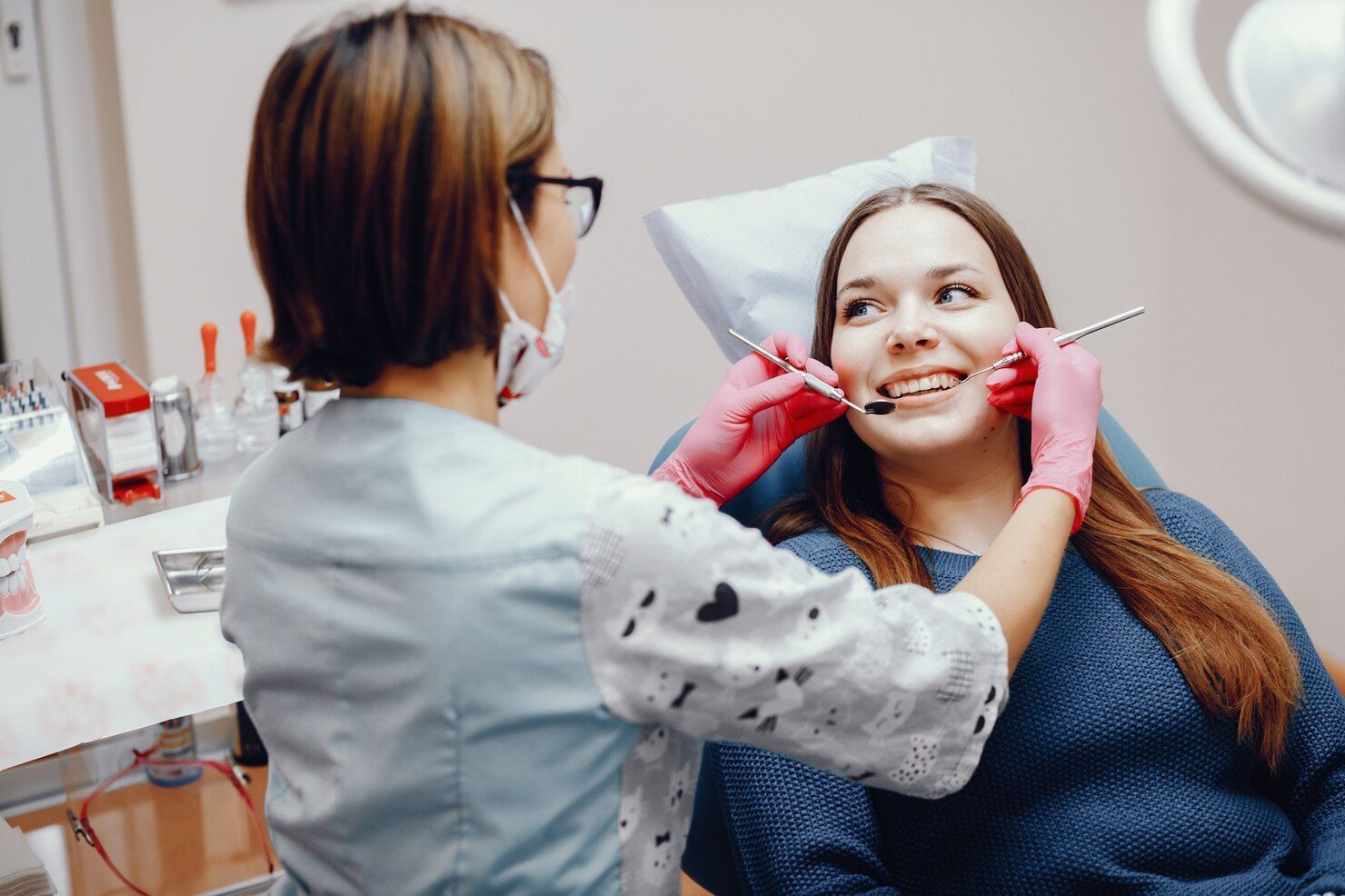
Take the Next Step Toward Healthier Gums
Healthy gums are essential for a healthy smile. If you have concerns about bleeding gums, bad breath, or gum recession, professional care can help.
Contact us today for a general evaluation. We, Drs. Mark and Andrea Silverman are here to provide skilled, compassionate care and help you protect your oral health with confidence.
At Silverman Dental, we are committed to protecting gum health with care you can trust. Call today to schedule your periodontal consultation and take an important step toward a healthier smile.
Frequently Asked Questions
1. What is periodontal disease?
It is a gum disease caused by infection and it also affects the bone that support the teeth. It is caused by plaque buildup and can lead to tooth loss if untreated.
2. Is gum disease treatable?
Yes. With proper professional care and good home habits, gum disease can be managed and controlled.
3. Does periodontal treatment hurt?
Most treatments are comfortable. Local anesthesia is used when needed, and patients usually experience minimal discomfort.
4. How often is periodontal maintenance needed?
Many patients benefit from maintenance visits every three to four months, depending on their condition.
5. Can gum disease come back?
Yes. Without ongoing care, gum disease can return. Regular maintenance helps prevent recurrence.
6. How do I know if I need periodontal treatment?
Bleeding gums, bad breath, and gum recession are common signs. A primary evaluation is the best way to diagnose it.